GLP-1 Medications: Real Benefits, Real Trade-offs
A clear, evidence-based look at GLP-1 drugs — what they can improve, what to watch out for, and what to plan before starting.
GLP-1 medications (like semaglutide and tirzepatide) changed the conversation around weight loss and metabolic health — but they’re not “magic” and they’re not for everyone. Here’s a practical overview of what they tend to do well, what the trade-offs are, and what questions matter before starting.
The upsides (what GLP-1s can improve)
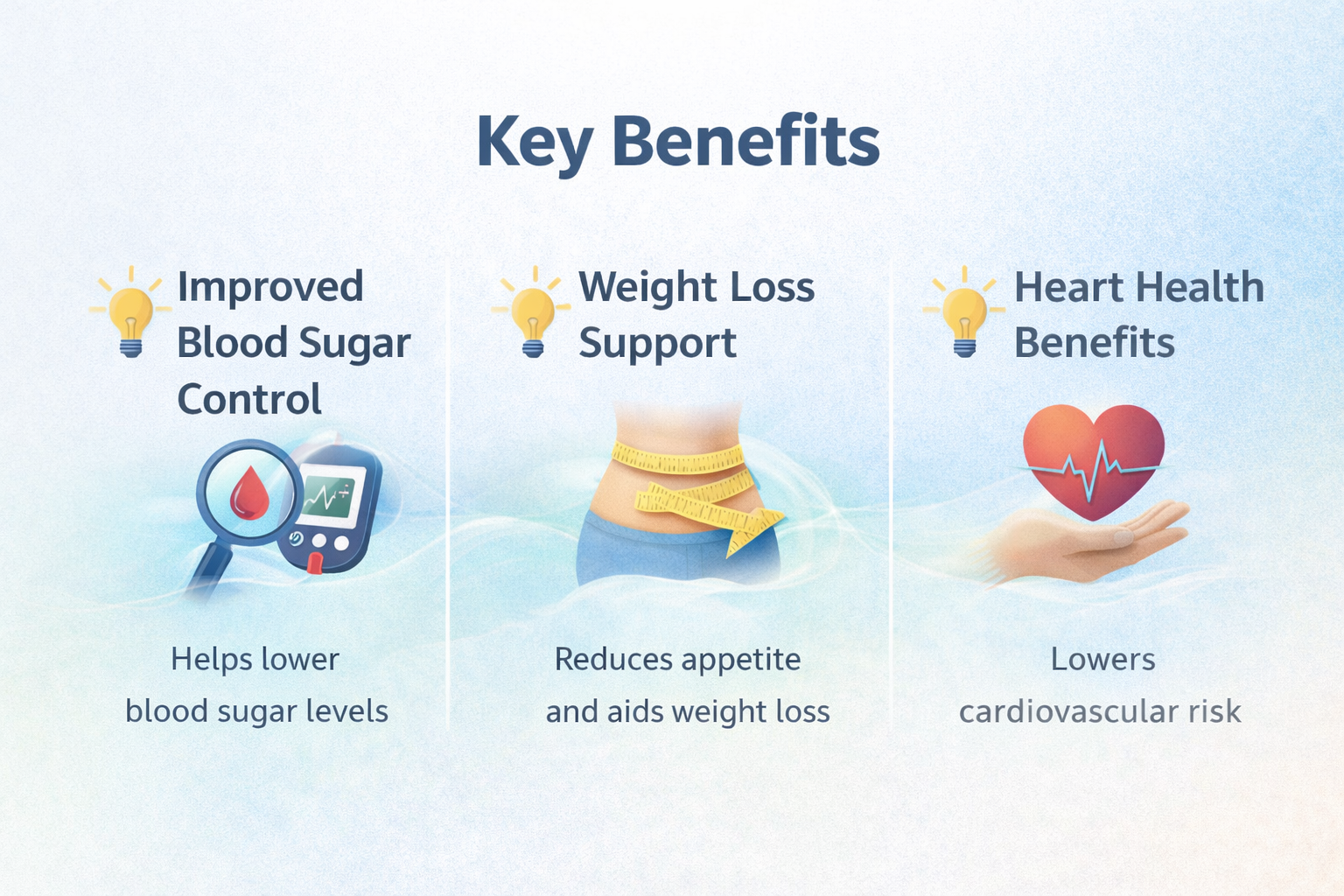
Many people report:
- quieter appetite / fewer cravings (“food noise” goes down)
- easier calorie control
- better day-to-day adherence to a nutrition plan
In clinical settings, GLP-1s are also associated with improvements in:
- blood sugar regulation (especially in insulin resistance / type 2 diabetes)
- several cardiometabolic risk markers in some populations
The downsides (what to watch out for)
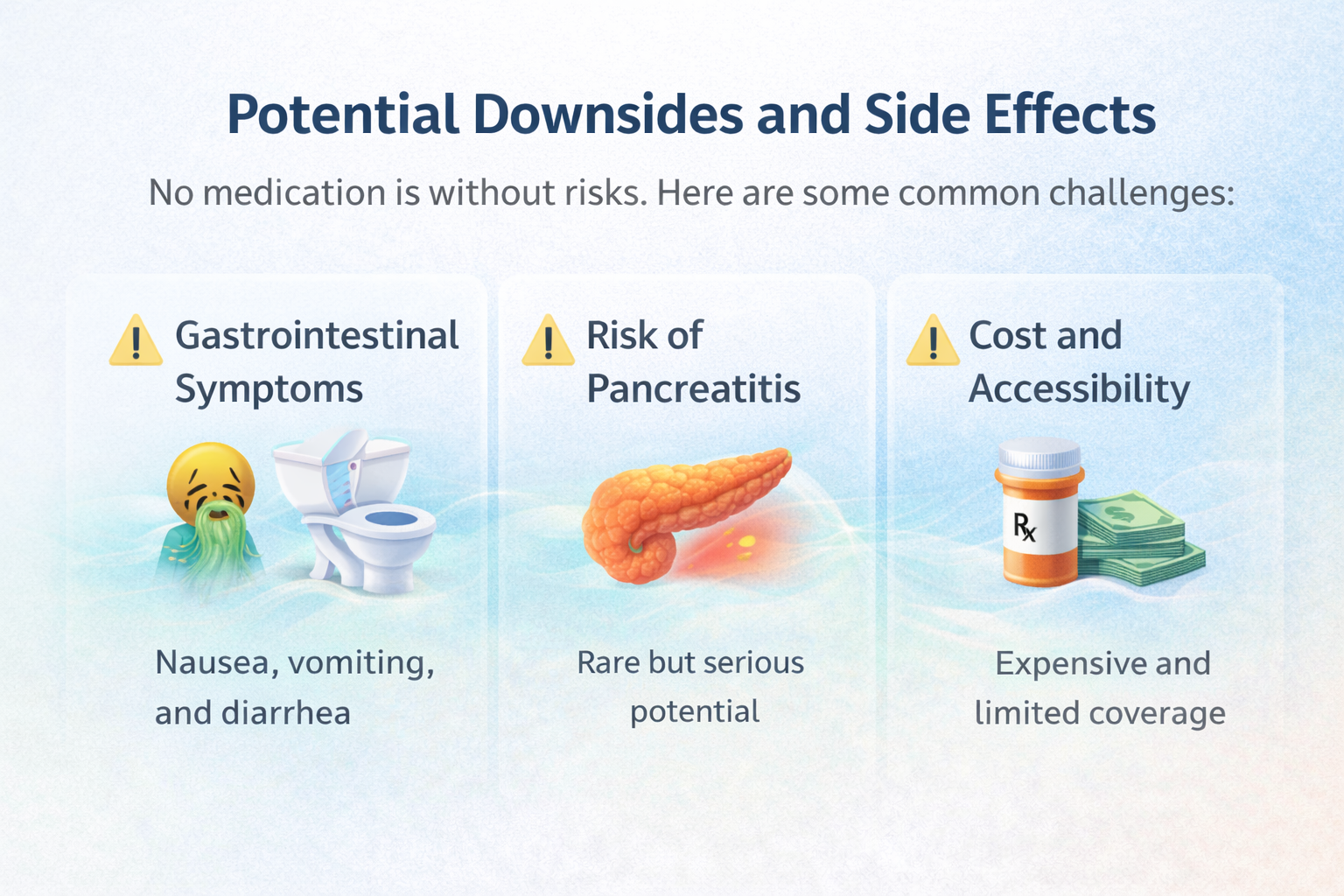
Common side effects:
- nausea, constipation/diarrhea, reflux
- fatigue (often during dose increases)
- appetite suppression that’s too strong → people under-eat protein and feel weak
Less common but important risks to discuss with a clinician:
- gallbladder issues (risk can increase with rapid weight loss)
- pancreatitis warning signs (rare but serious)
- stopping often leads to partial or full regain unless habits are rebuilt
Who should be extra cautious
GLP-1s aren’t a casual supplement. Be careful and get medical guidance if you have:
- a history of pancreatitis or gallbladder disease
- severe GI conditions
- pregnancy / breastfeeding
- an eating disorder history
- specific endocrine tumor risk patterns your clinician screens for
A practical checklist before starting
- Goal clarity: weight loss? A1C? cravings? long-term maintenance?
- Protein + strength plan: protect muscle while weight drops.
- Side-effect strategy: hydration, fiber, constipation plan, slow titration.
- Exit plan: what happens if you stop — and what habits you keep.
Bottom line: GLP-1s can be powerful tools, but the best outcomes usually come from pairing the medication with sustainable nutrition, strength training, and a maintenance strategy.
Educational only — not medical advice.
Enjoyed this article?
Get more like it - straight to your inbox.